Some stories don't begin where you expect them to.
Mine began in the mountains of Mendoza, Argentina — in two small villages called Potrerillos and Cacheuta, where I had been sent on a scholarship to complete my studies in Tourism and Hotel Administration. I was young, and the Andes were enormous. The pace of life there was slow in the way that only remote places can be slow — unhurried, deliberate, connected to the land. I watched how tourism could exist without destroying the thing that made a place worth visiting. That image never left me. Somewhere in those mountains, a quiet decision formed: one day, I would find a place of my own. Close enough to be reachable. Wild enough to be worth the journey.
I spent the years that followed looking for it — traveling through Uruguay, Chile, Peru, Ecuador, learning to read landscapes the way some people read maps. Then I moved to Australia, where I would live for the next decade.
◆
Australia shaped me in ways I'm still discovering. I worked inside major international hotel groups — Hilton, InterContinental, Crowne Plaza — and I absorbed everything: the operational standards, the culture of genuine service, the invisible architecture of a guest experience that actually works. I became an Australian citizen. I built a life there. And I developed something I hadn't had before: an outside perspective on my own country, and a very clear understanding of what Colombia's Caribbean coast was missing.
During that time, I opened a small eBay store — vintage and one-of-a-kind clothing, hand-selected, shipped across Australia. It sounds small. It wasn't, to me. It was the first time I understood that I could build something of my own. That I didn't have to give the best of myself so that someone else could monetize it. I left hotel employment. I ran my shop. I tasted freedom — real freedom, the kind that comes from choosing how you spend your days — and I never forgot what it felt like.
"The fear doesn't mean stop. It means you're close to something real."
I had made a promise years earlier — the kind you make quietly, to yourself, when you're far from home. If my mother reached her 80th birthday, I would return to Colombia to be close to her. She did. So I came home.
◆
I chose Palomino — then an almost unknown stretch of beach in La Guajira, undervisited and overlooked, with the kind of raw Caribbean beauty that hasn't been processed yet. People thought I was taking a risk. I thought I was reading the landscape correctly.
What followed was the hardest thing I have ever done. I had never bought a plot of land in Colombia. I had never managed a construction project. I didn't know what a bag of cement weighed or what size rebar to order. I was a woman, alone, in a field, in the mud, in the heat, with a vision in my head and dwindling resources in my account. I cried more times than I can count. I was convinced, regularly, that I would not be able to finish.
But I kept going. Guests started arriving before the building was even finished — they knocked on the door and I opened it, half-built walls and all. And then something extraordinary happened: we thrived. The hotel filled. The reviews came in. Palomino began to appear on maps, in magazines, in travel guides. The destination I had quietly bet on became one of the most visited places on Colombia's Caribbean coast.
But Palomino changed. Success brought crowds, and crowds brought noise — music at high volumes, late into the night. My guests came looking for peace and found a party. So I began looking again.
◆
I searched for a long time. I visited property after property — riding mules up hillsides for hours, crossing rivers on foot, climbing through forests, always accompanied by my uncle, always looking for the same thing: seclusion, silence, proximity to nature, a place where someone could genuinely rest.
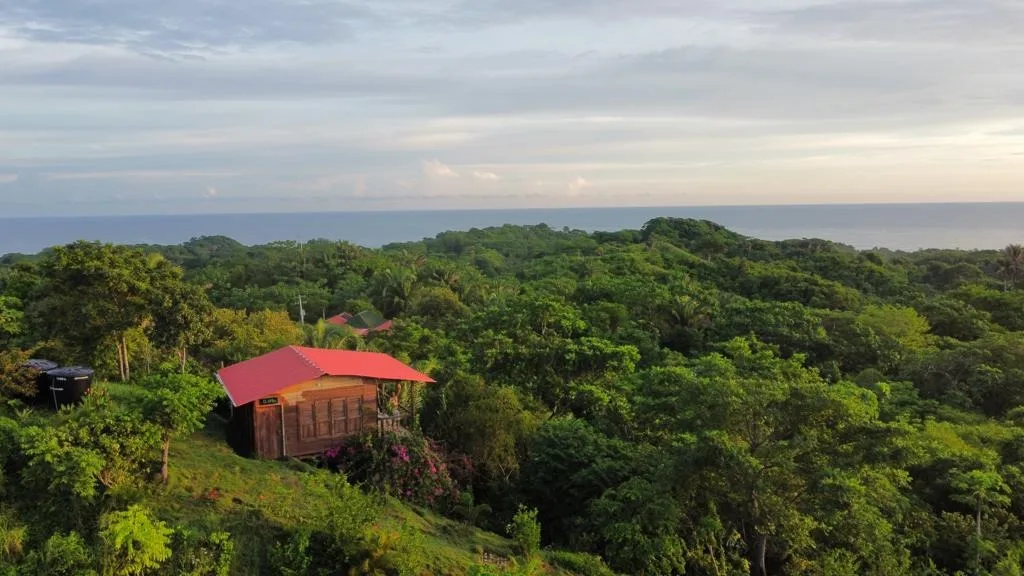
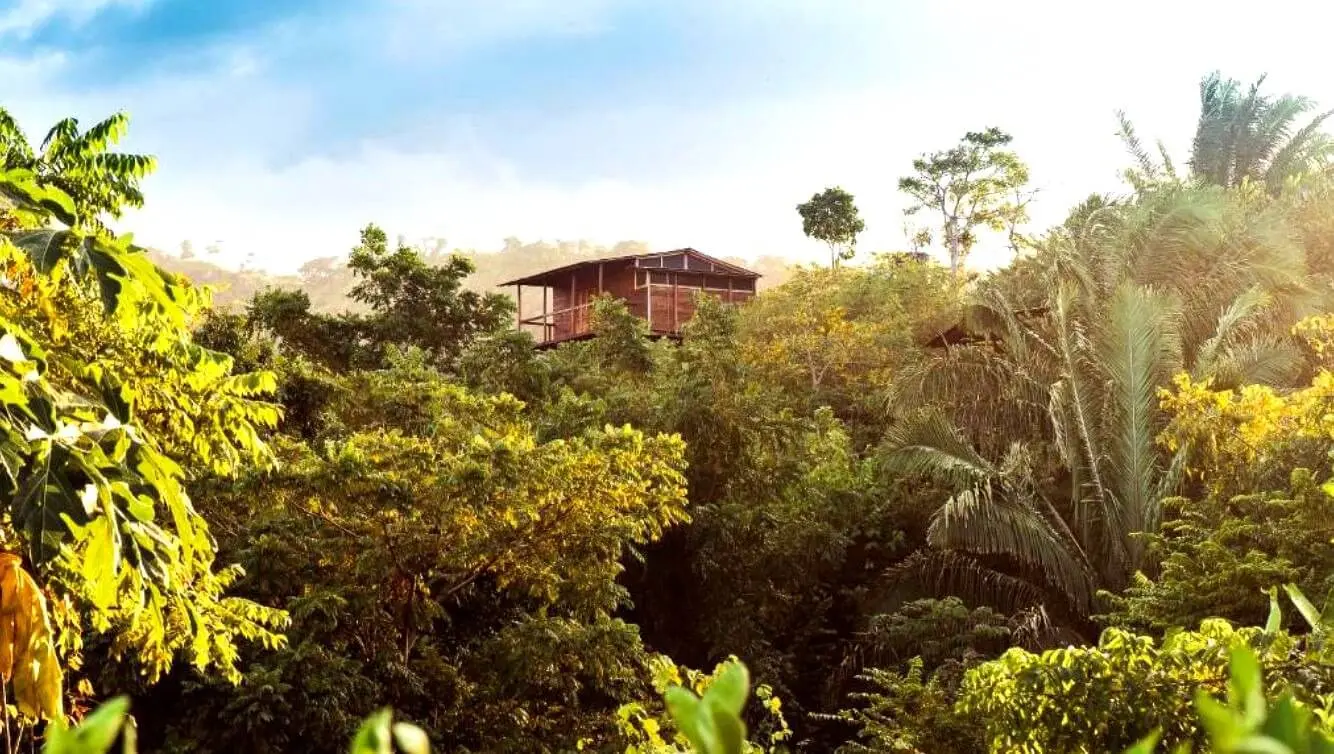
And then I stood on this hillside.
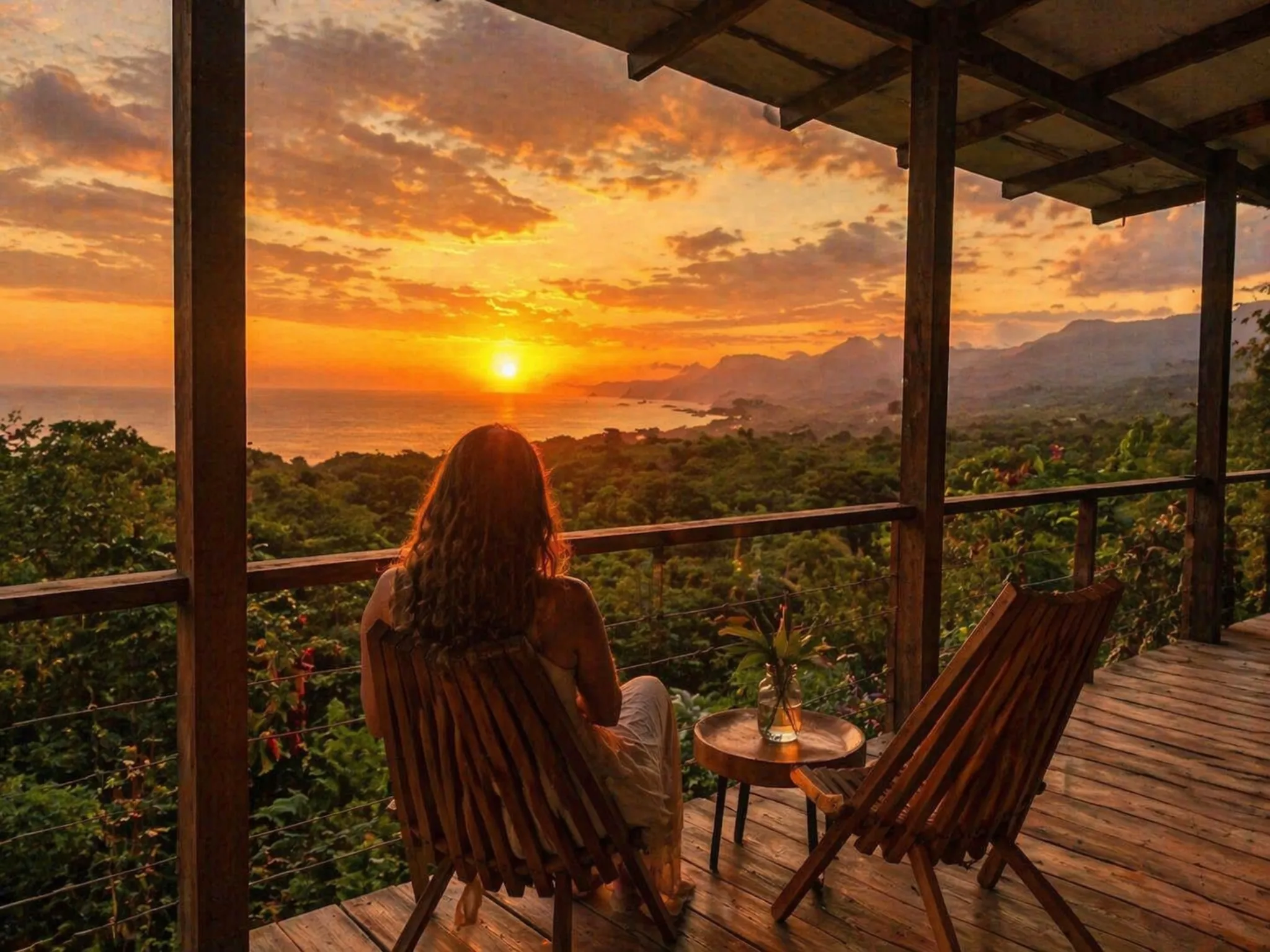
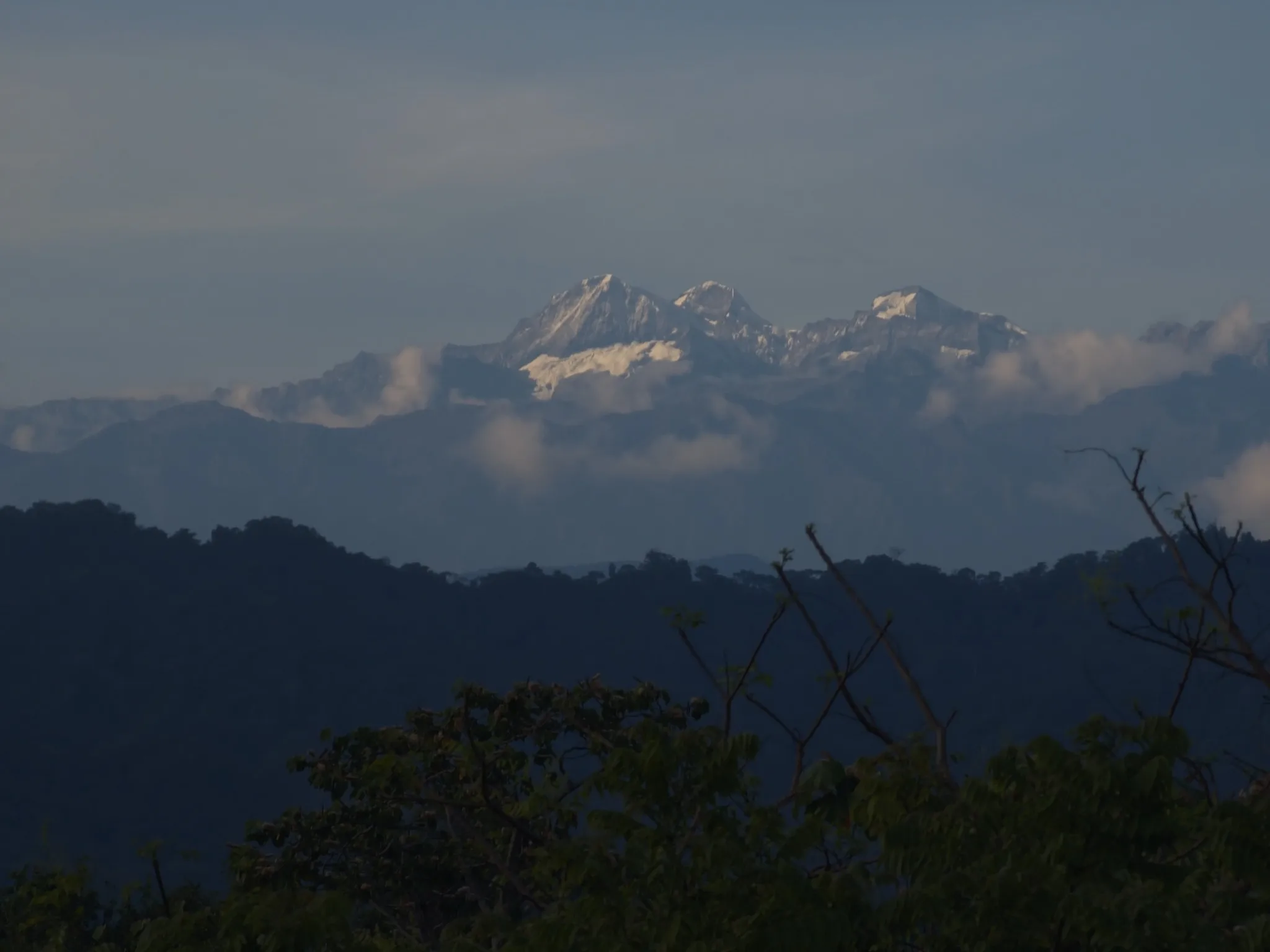
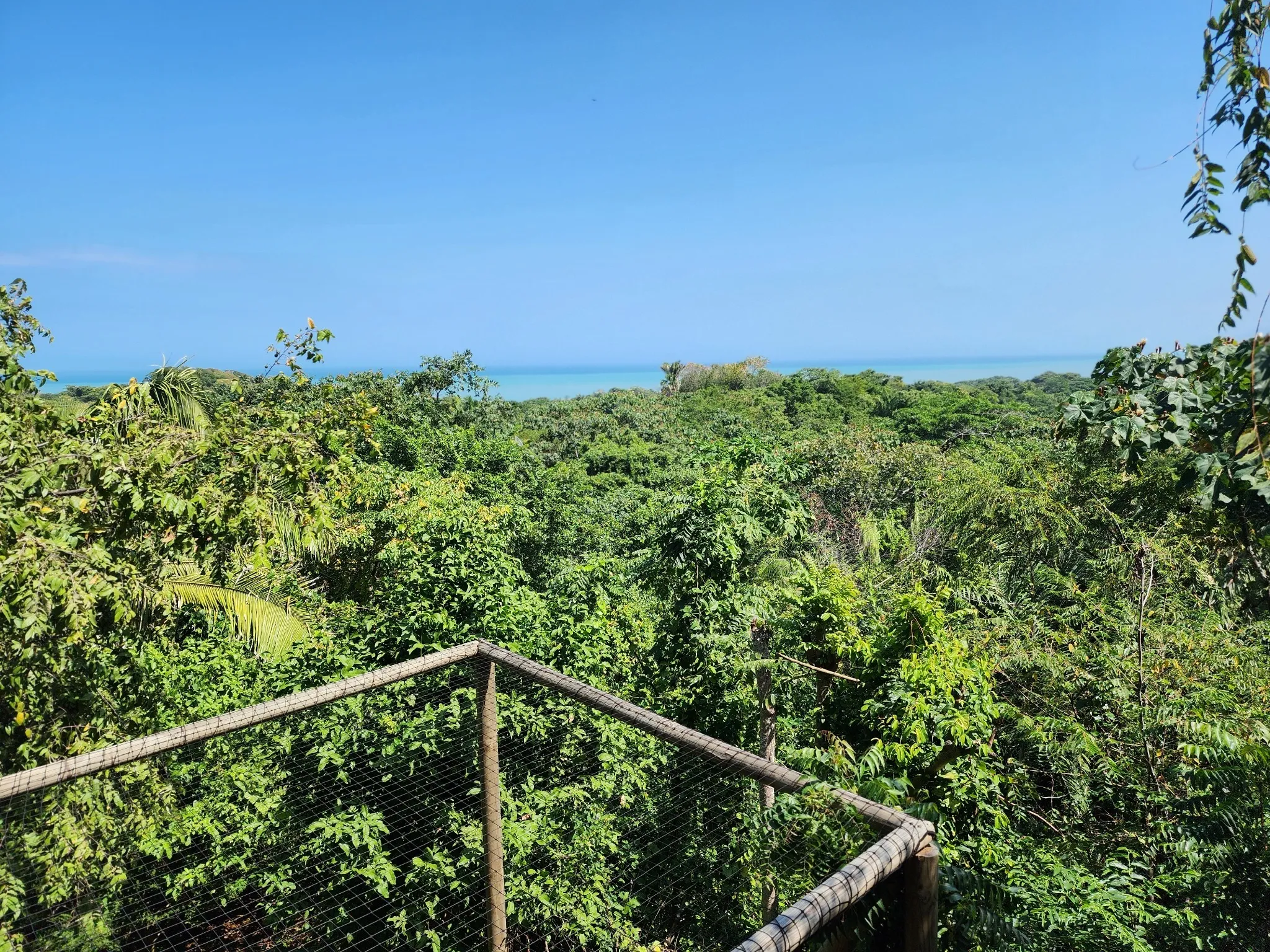
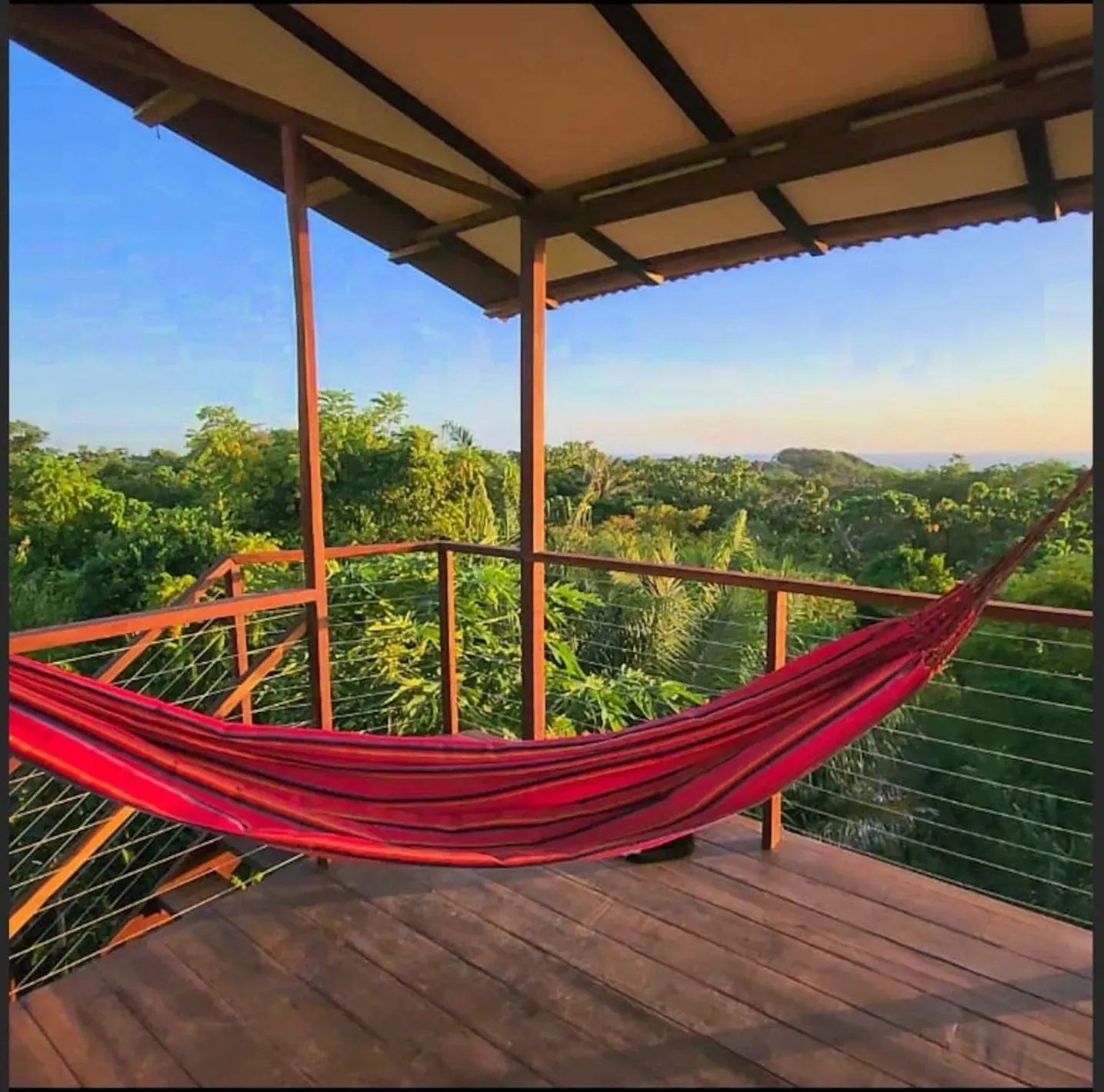
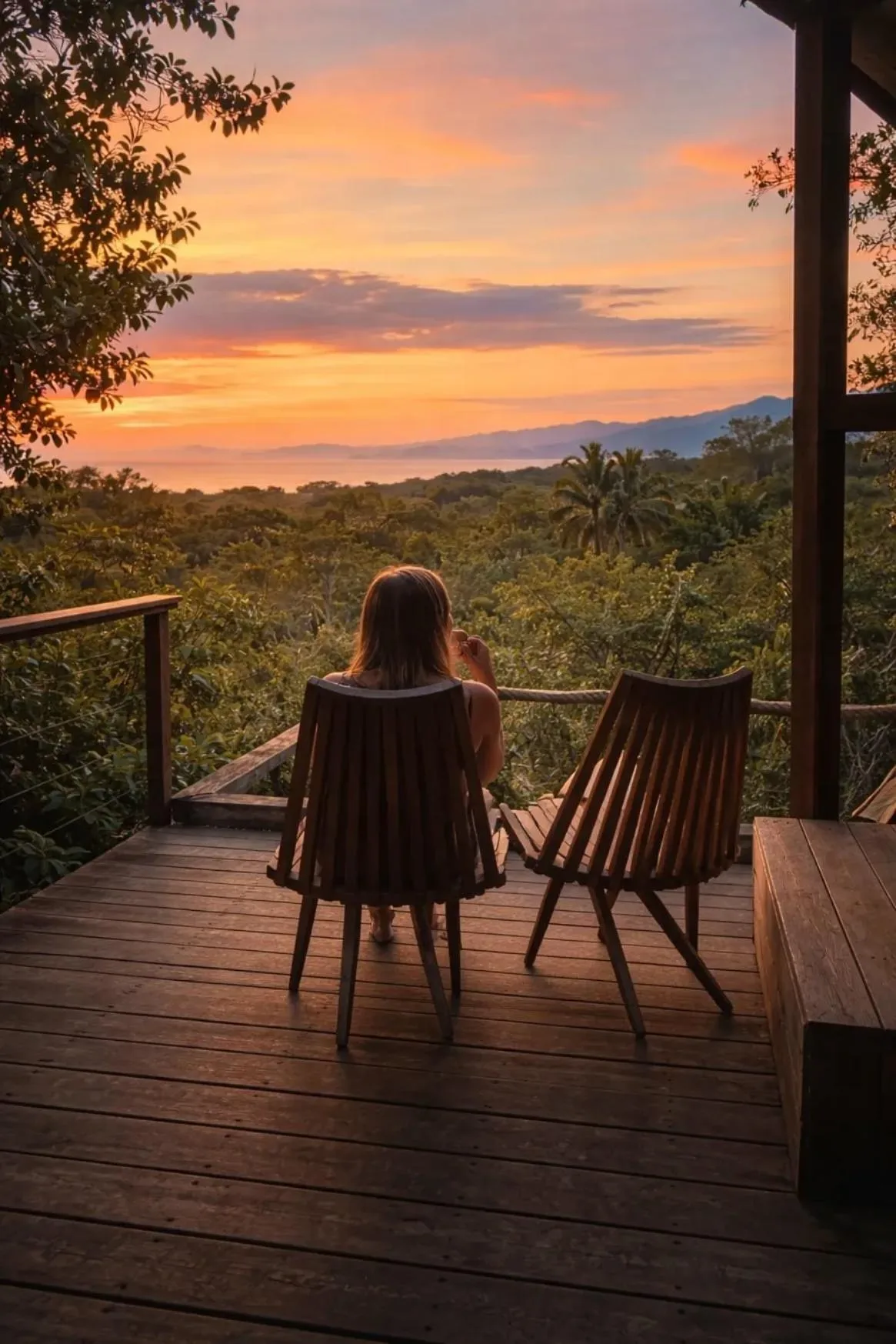
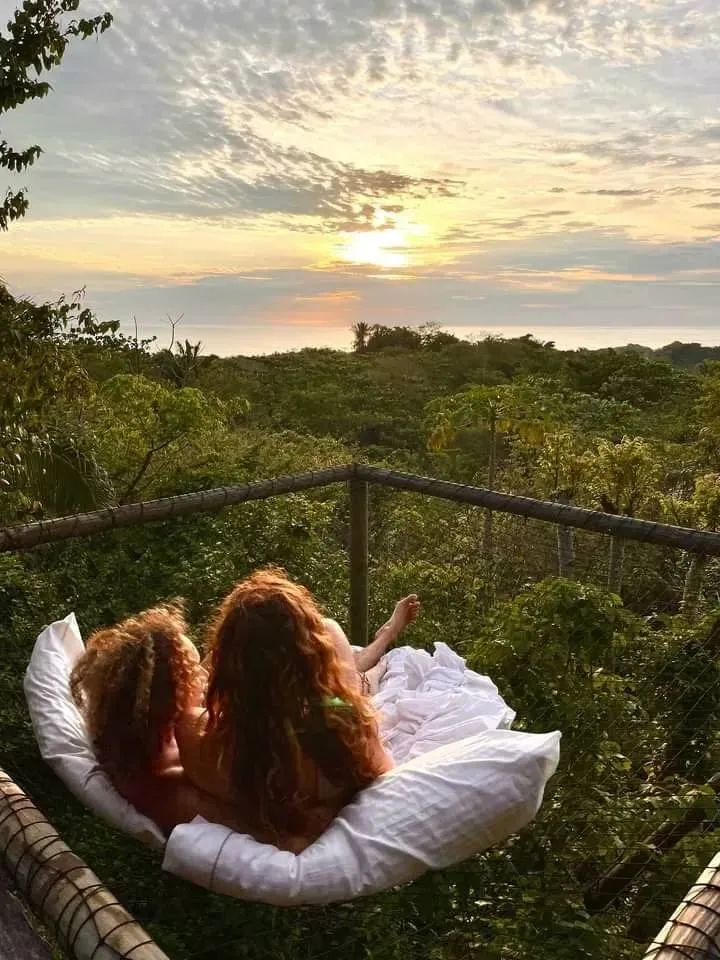
To the north, the Caribbean Sea — blue and vast and unhurried. To the south, the Sierra Nevada de Santa Marta — its snowcap white against the sky, the highest coastal mountain range in the world. And then, from somewhere in the canopy above me, I heard it for the first time: the call of the howler monkeys, deep and resonant and ancient, like the jungle announcing itself.
"I'm going to help this forest come back."
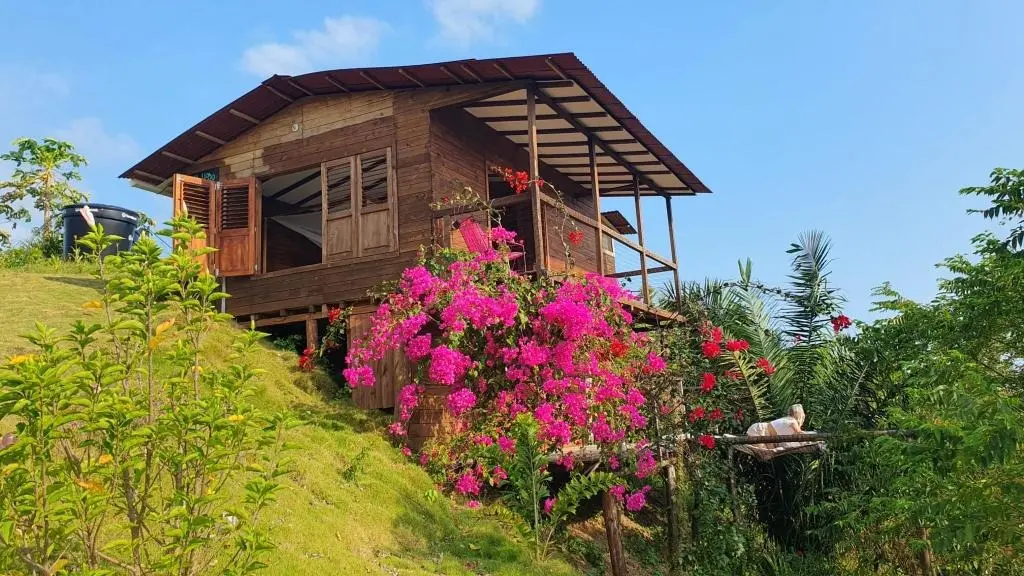
The land had been cleared for papaya crops. That was the decision — not a business plan, not a financial model. A decision made by someone who had been shaped by mountains in Argentina, a decade of southern hemisphere sky, the mud of Palomino, and years of learning to listen to what a place is asking for.
◆
What followed was years of quiet, devoted work. We planted more than 2,000 native timber trees. We planted every fruit tree that would grow in this climate — lemon, mamon chino, cacao, pineapple, tomato. Every pineapple crown from every fruit we ate went back into the earth. They take two years to produce. After two years, we ate the sweetest pineapples I have ever tasted, grown from nothing, from patience, from faith in the cycle.
Slowly, the forest answered.
The white-bearded saki monkeys returned — a species rarely seen, a sign that the ecosystem was healing. Then the peccaries. The agoutis. The opossums. The hummingbirds. The macaws, brilliant and loud in the canopy. Dozens of bird species that had not been here when we arrived. And one afternoon, moving silently through the undergrowth: a green hunting boa, the apex predator of this jungle, home again.
This land was watched over, long before I arrived, by the indigenous guardians of the Sierra Nevada — a people who have tended this mountain and this coastline for millennia, who call it the heart of the world. The years I spent here brought me closer to things I had long moved too fast to find: conscious eating, yoga, meditation, plant medicine, silence as a practice rather than an absence.
◆
My mother is 92 years old now. I made her a promise, and I intend to keep it — to be close to her, to be present with her, in the time that remains. That is why I am offering this place to someone else.
Not because it has failed. Because it has succeeded — more than I imagined — and because I believe it deserves someone who can give it what I no longer can: full presence, fresh resources, and the next chapter of a story that is far from over.
More than 2,000 trees are standing because of a decision made here. The animals are back. The lodge earns. The land is healthy.
What I am selling is not just property. It is fifteen years of love made visible.

Vívelo antes
de visitarlo.