Some stories do not begin where people expect. Mine did not begin in Australia or in the mountains of Argentina. It began in Colombia, where I was born and where my grandmother raised me from the time I was one month old.
Before the land: Colombia, Argentina and Australia
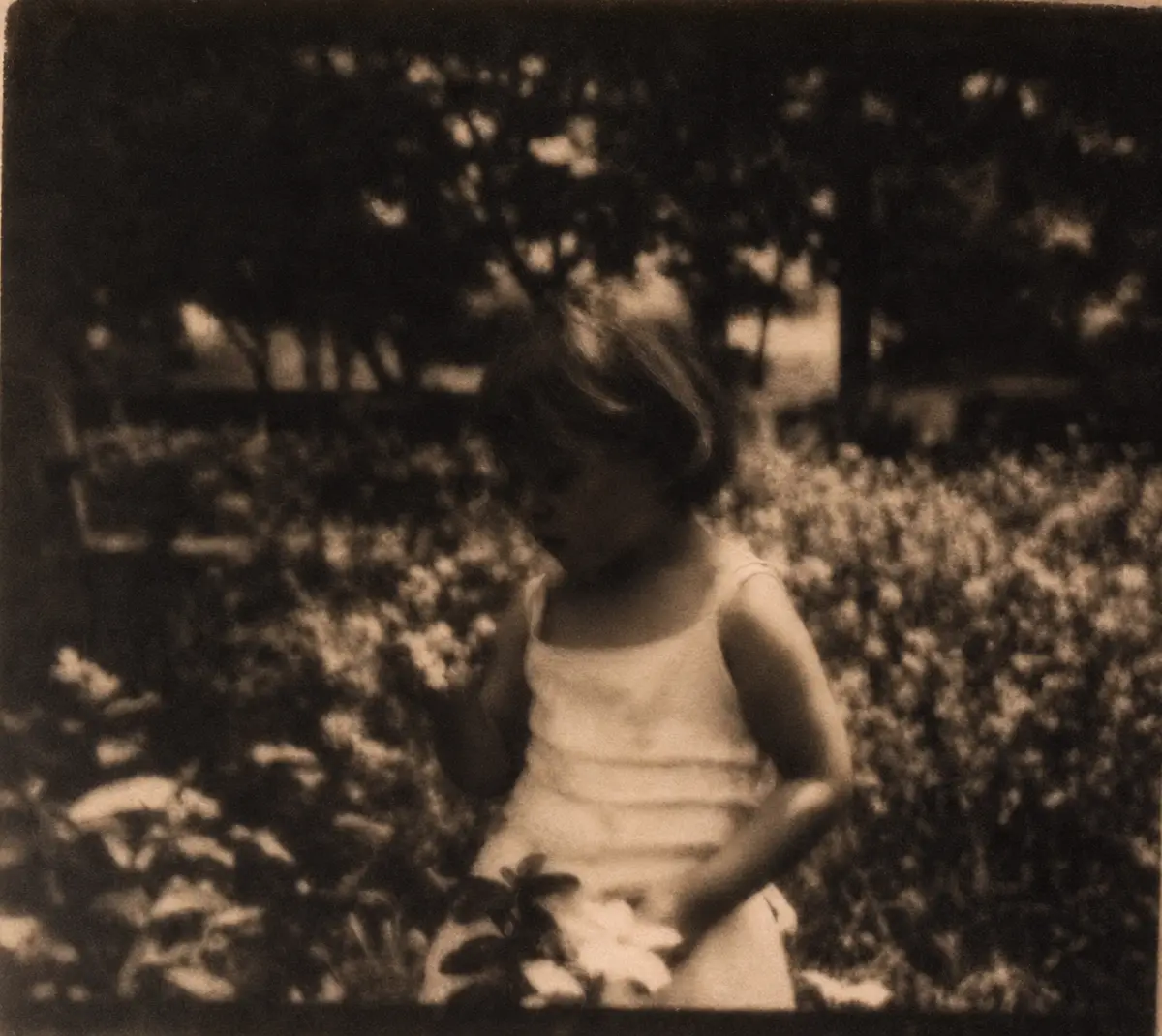
From a very young age, I was drawn to nature. I was not always the child who could sit still in a classroom. I would find reasons to step outside, gather flowers and spend time among plants. Looking back, I believe I have always had an ADHD or neurodivergent way of learning, although I do not present that as a formal diagnosis. What I know is that nature was the place where my attention settled and where I felt most like myself.
I studied Hotel and Tourism Management in Colombia. That education took me to Mendoza, Argentina, on a scholarship for one year. I worked at a hotel in the mountains of Cacheuta, later lived in Buenos Aires and worked in several hotels and hostels. Before returning home to graduate, I travelled through other countries in South America.
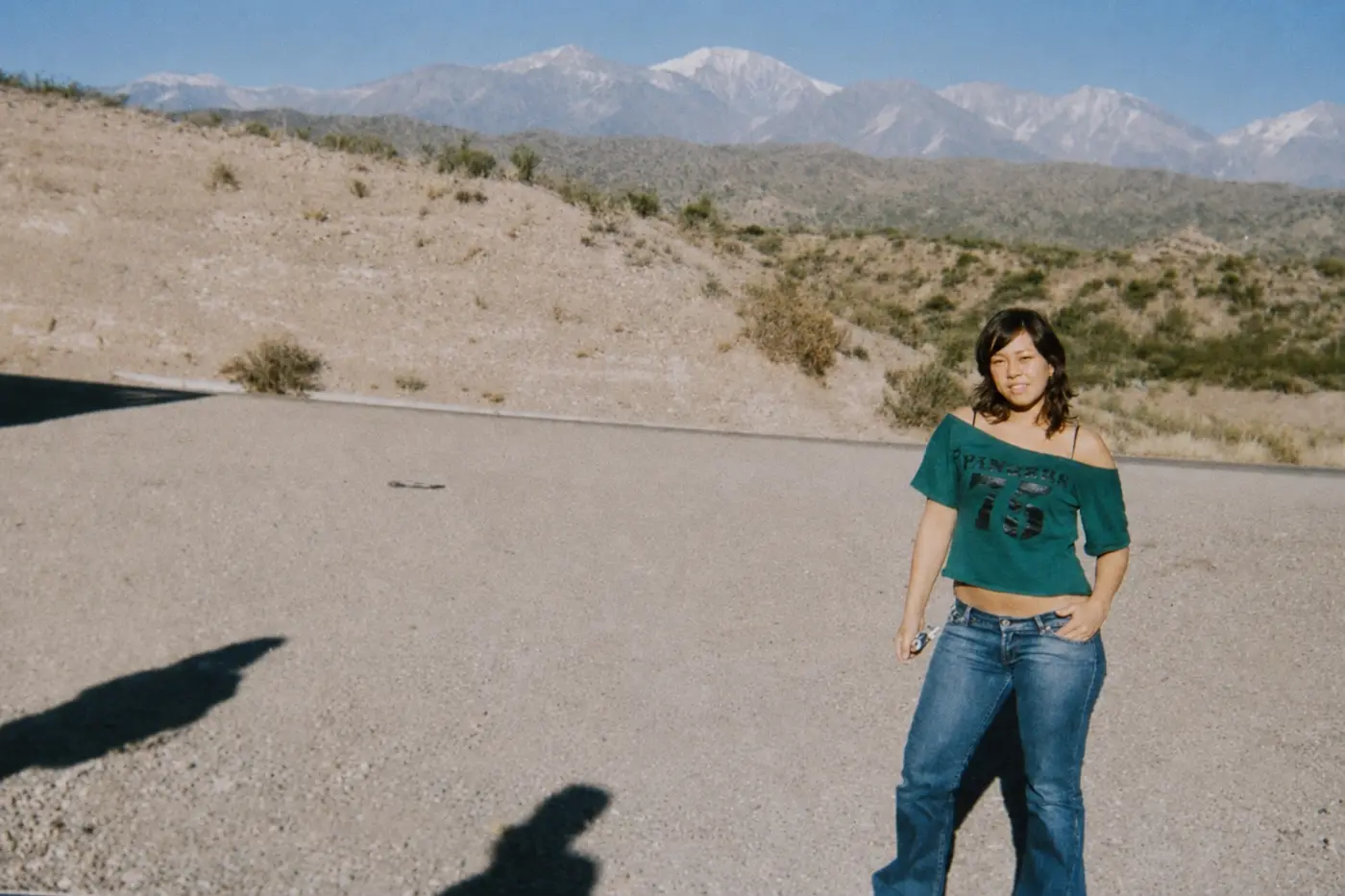
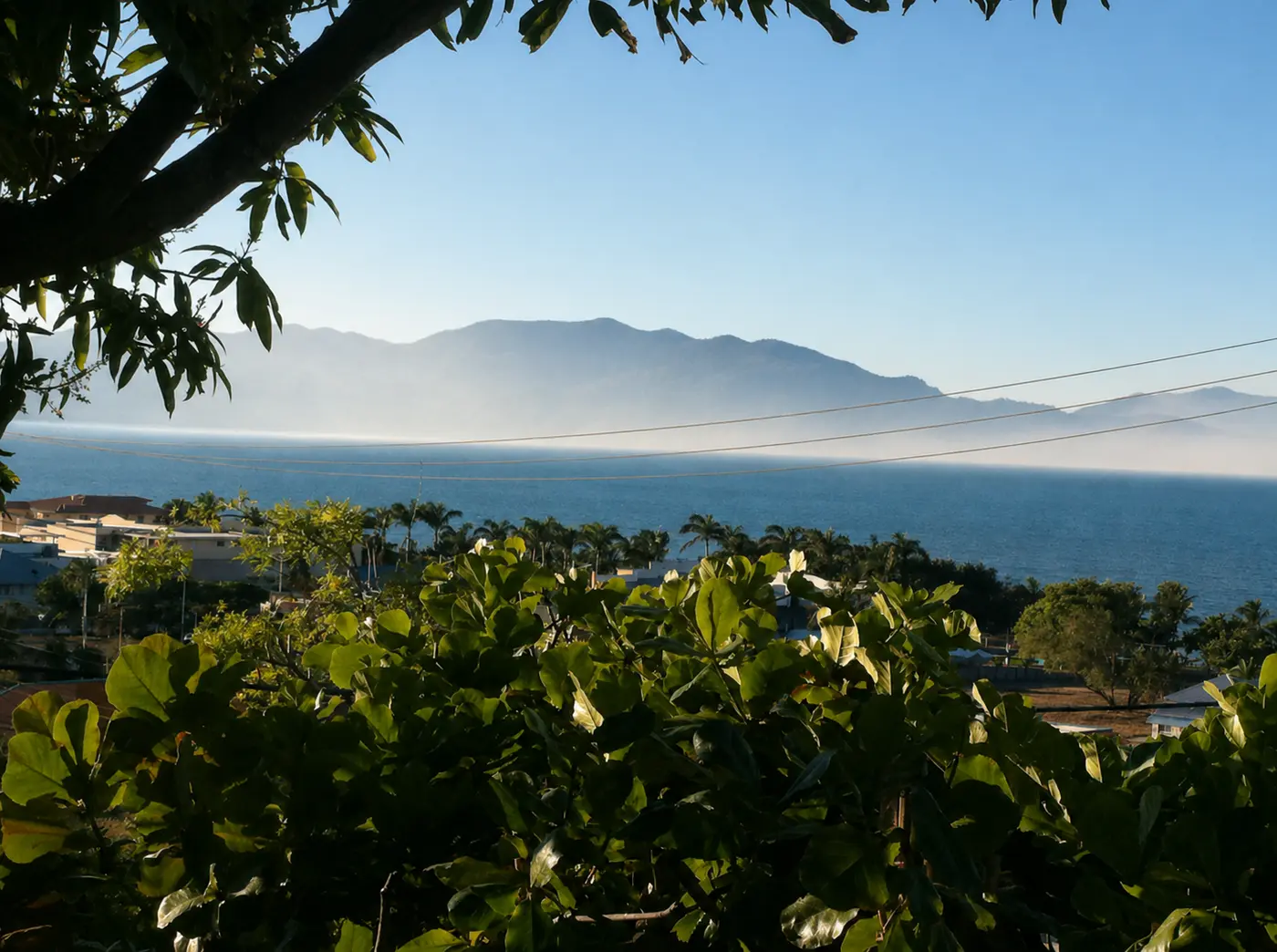
I later married an Australian and moved there. I lived in Australia for ten years: first in Perth, then Adelaide and finally Townsville. My work and my life there kept me connected to hospitality, travel and places close to the sea. From my home in Townsville, I could see the water and the mountains. I did not know then that, years later, I would search for that same relationship between vegetation, mountains and sea in Colombia.
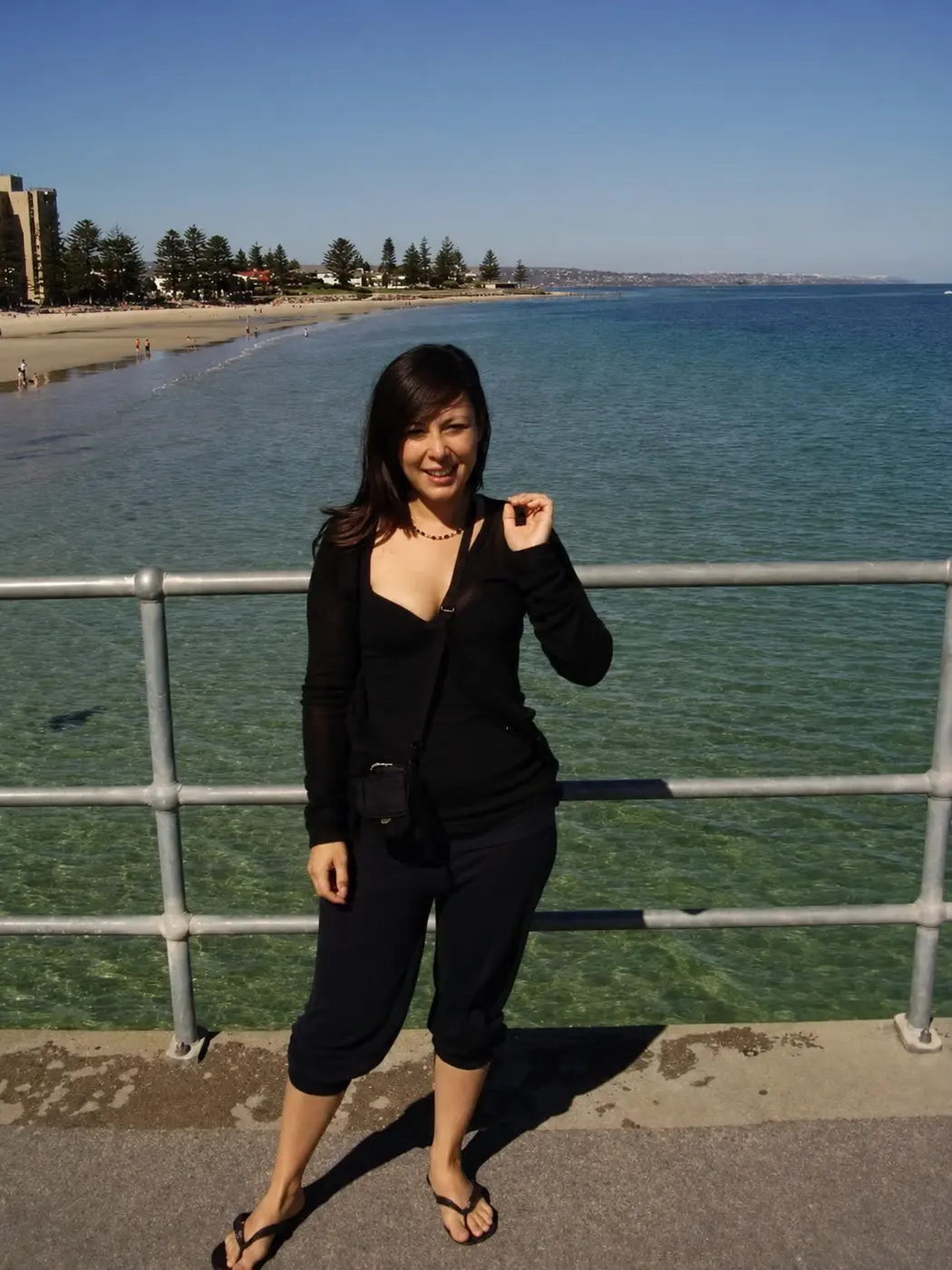
Eventually, I decided to return to Colombia. I came back with years of hotel experience, but also with a clearer understanding of the kind of life I wanted: close to nature, with enough space to build something slowly and in my own way.
The search was not casual. It took time.
The search that led to Casa del Bosque was not a casual one. It was an extensive journey along the Colombian Caribbean coast, guided by a simple question: could I find a place that still felt private and natural, but was not disconnected from the rest of the world?
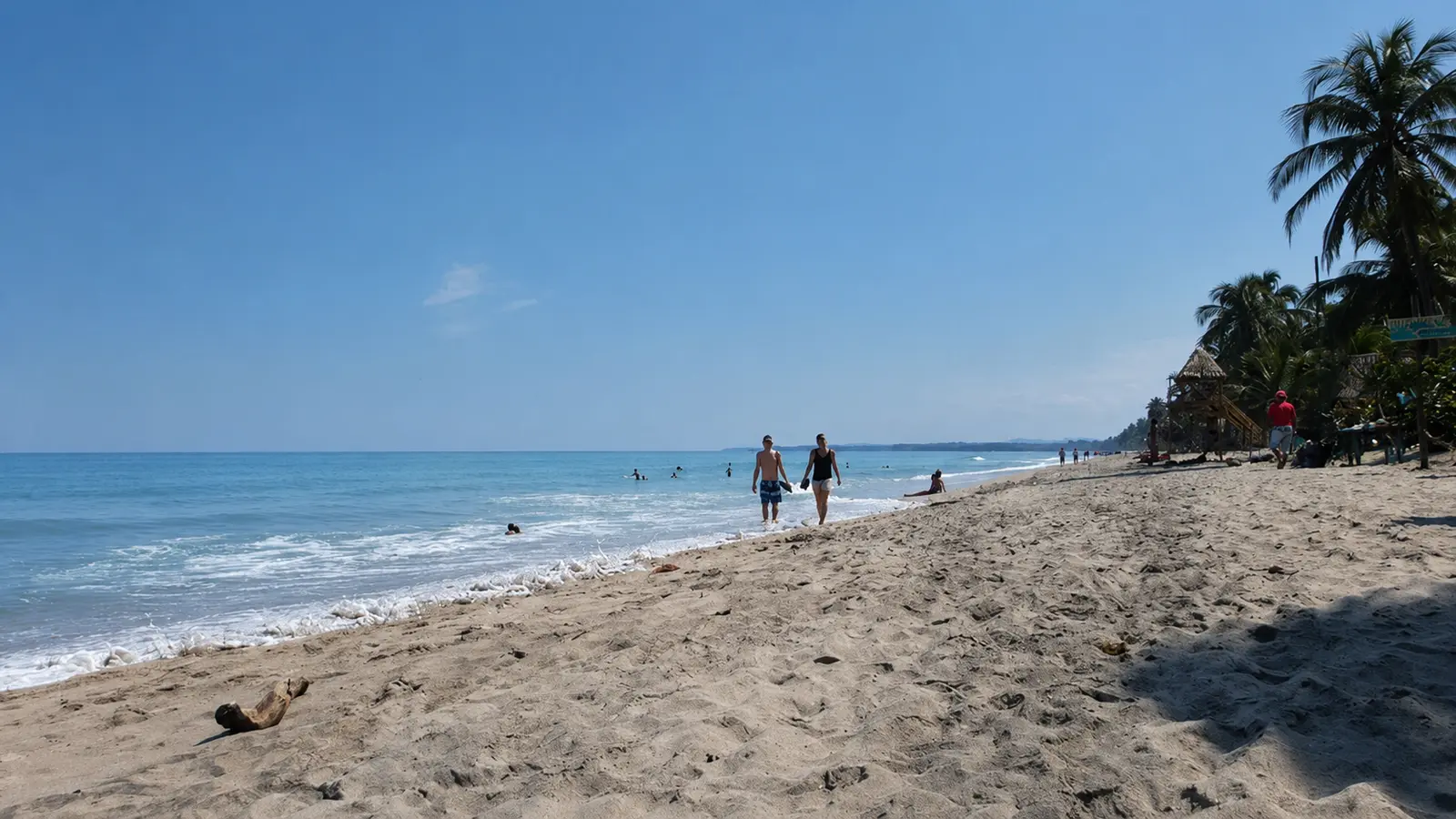
For a time, Palomino had represented that balance for me. But the town changed. It became increasingly associated with party tourism, and the beach suffered serious erosion. I wanted silence and forest, but I also wanted to keep the Caribbean within sight. That is why I began looking for land with an ocean view.
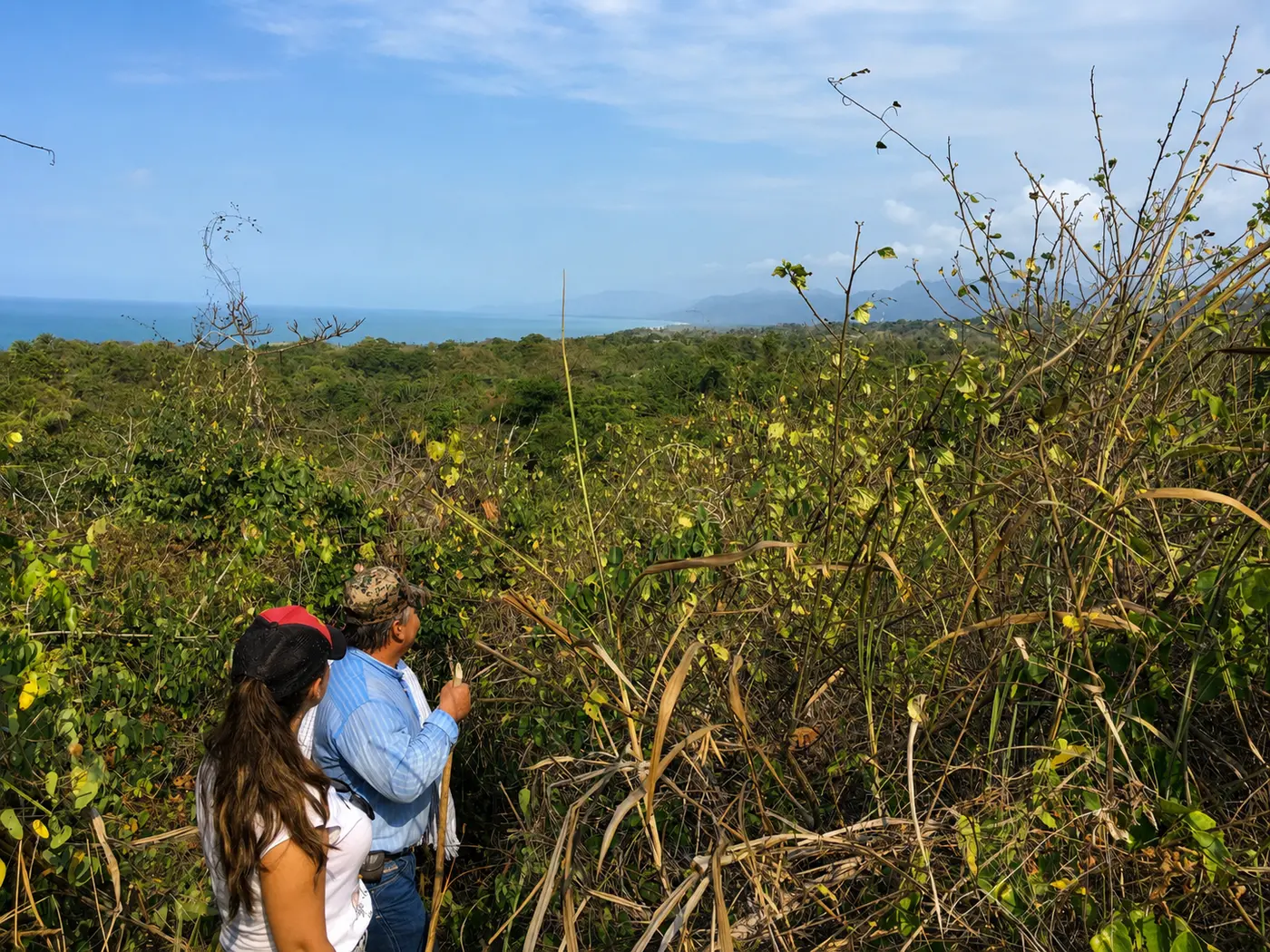
The answer came on a hillside above the Caribbean Sea, near Tayrona National Park. I found it with my uncle. We moved through high grass and dense vegetation until the sea appeared in front of us. Behind and around us were the foothills of the Sierra Nevada. The land had both horizons and enough space to imagine a very different life.
This was not a polished property waiting for a buyer. It was raw land. What I saw was not convenience; it was possibility. The entrance to our access road is approximately three minutes from the El Zaino entrance to Tayrona National Park. From that access-road entrance, reaching the property takes approximately three minutes by 4x4, or about twenty minutes on foot through the forest and over one hill.
What I am selling is not just property. It is years of work, care, and love made visible.
What was built — and how it began
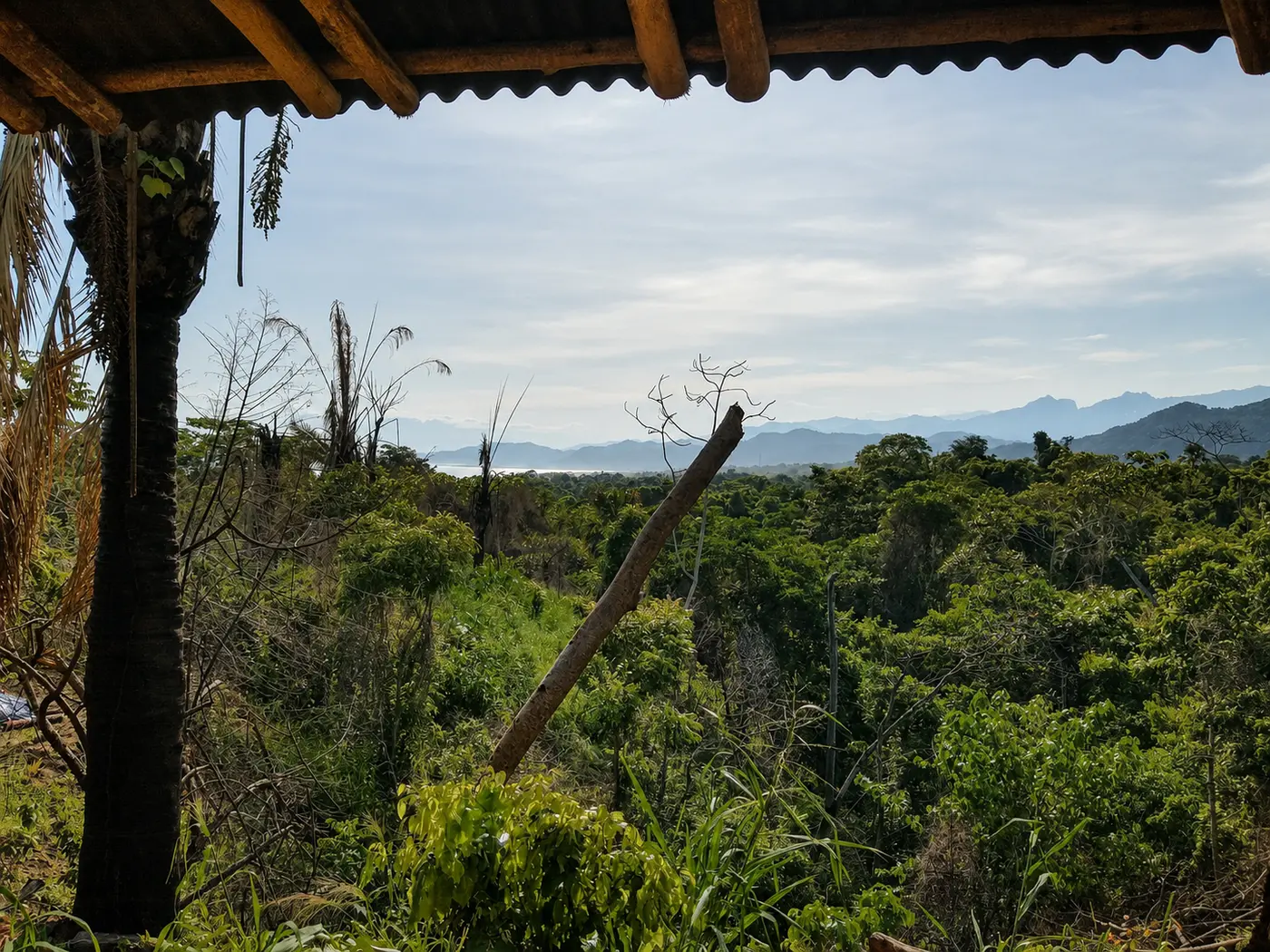
At first, we camped on the land. We created a simple hamaquero, a covered place for hammocks, from which we could see both the Caribbean and the mountains. We spent enough time there to understand the topography, the wind, the shade and the views. That is why the main house was eventually placed in that area.
The development of Casa del Bosque was guided by a philosophy that shaped every decision: respect for the ecosystem and an understanding that the forest was the reason for being there. The buildings had to respond to the hillside rather than erase it. Materials and positions were chosen in relation to the land, the existing trees and the views.
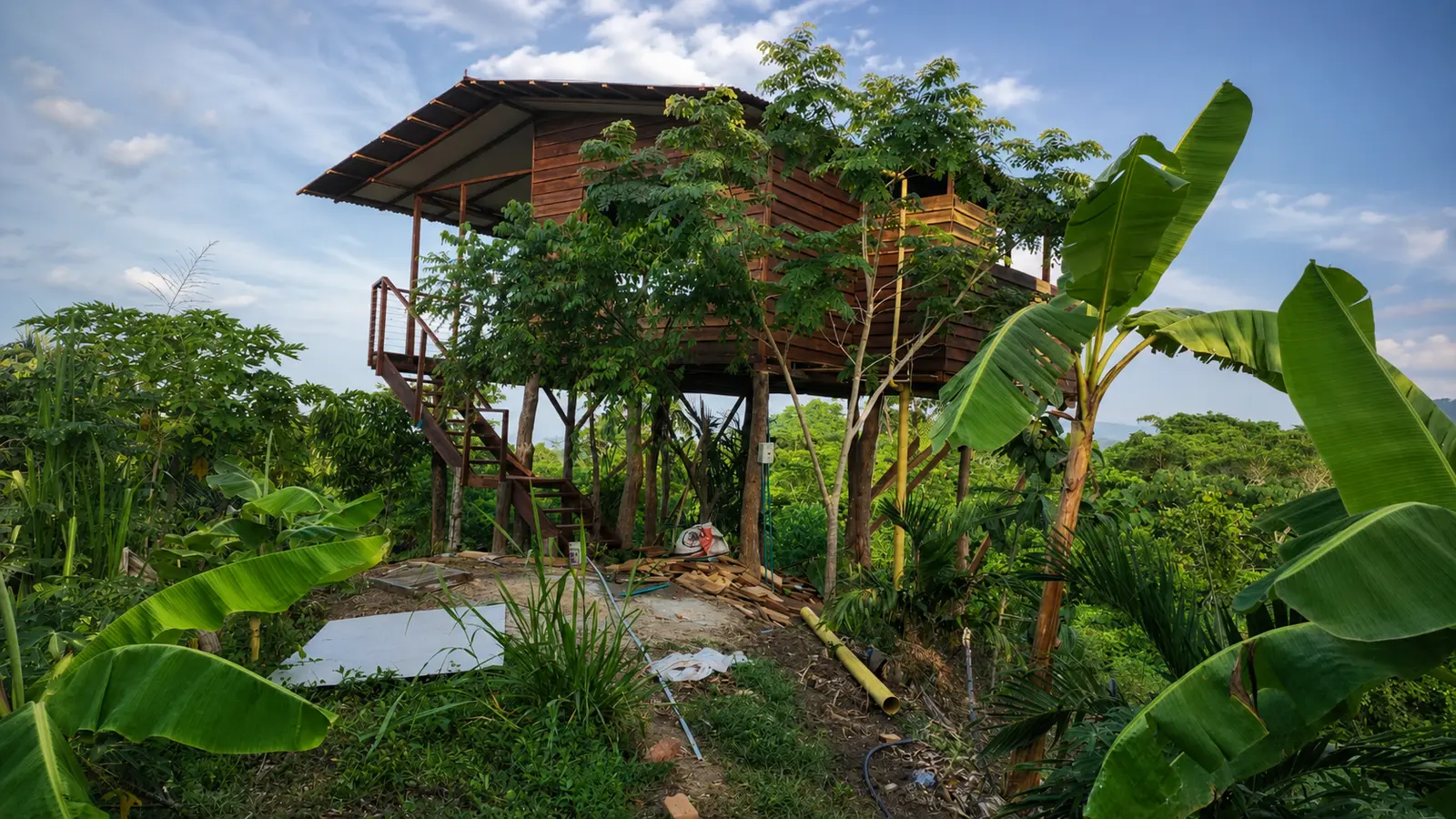
The first house was Las Flores. It later became the main house. El Hobo came next, followed by El Guásimo. They were not built all at once. Each structure belonged to a different stage of learning what the place needed and what could be done with the resources available.
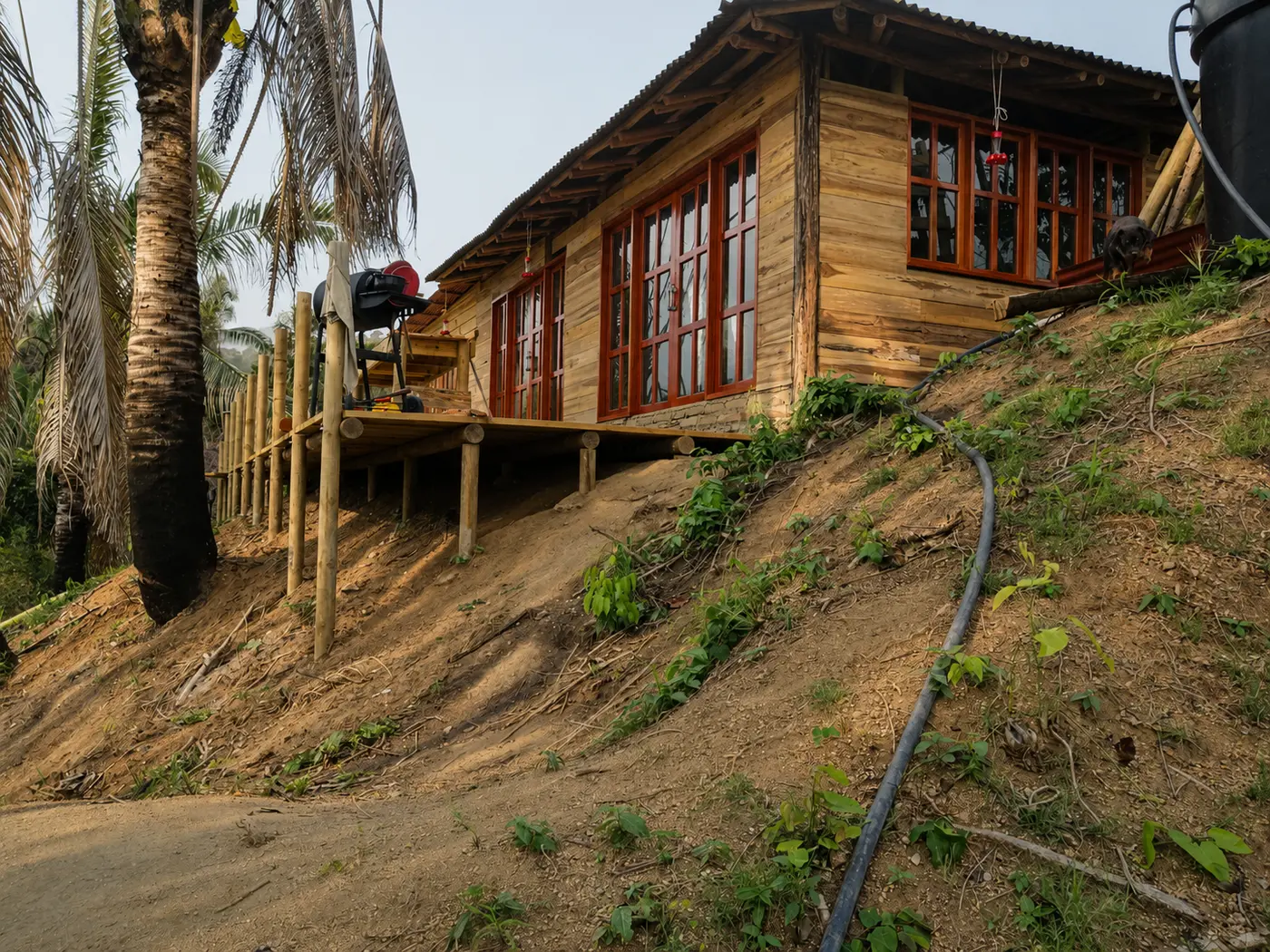
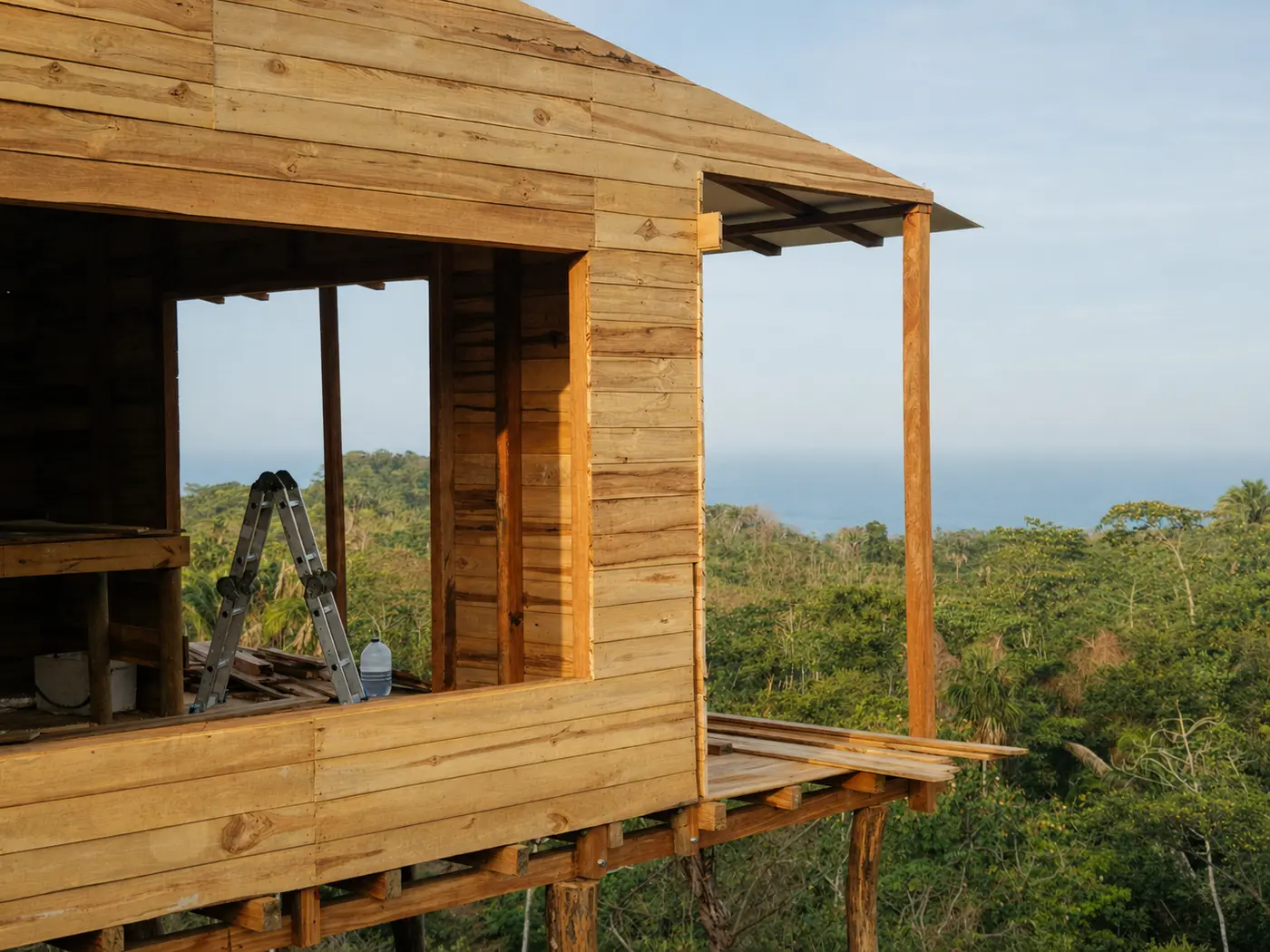
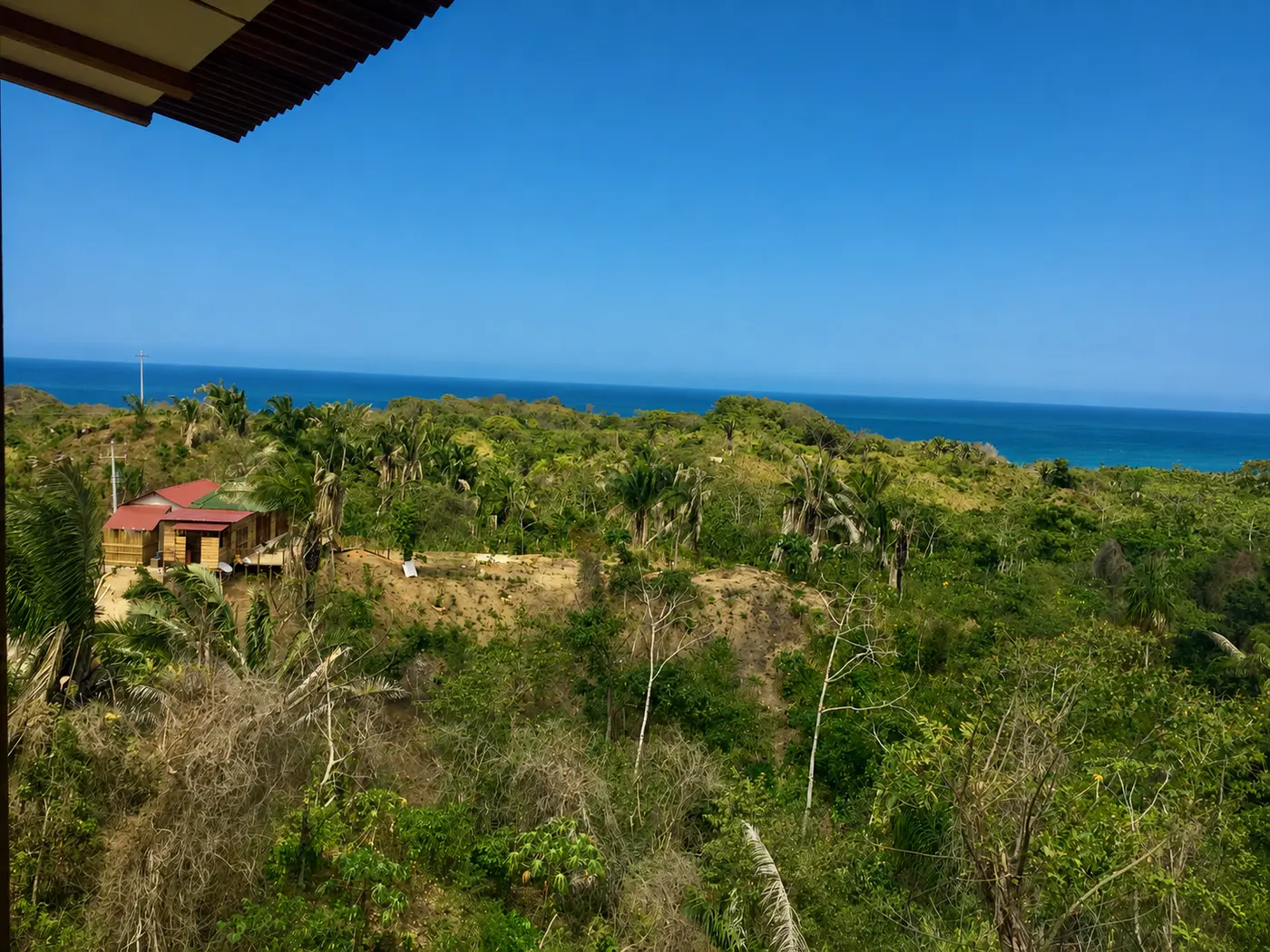
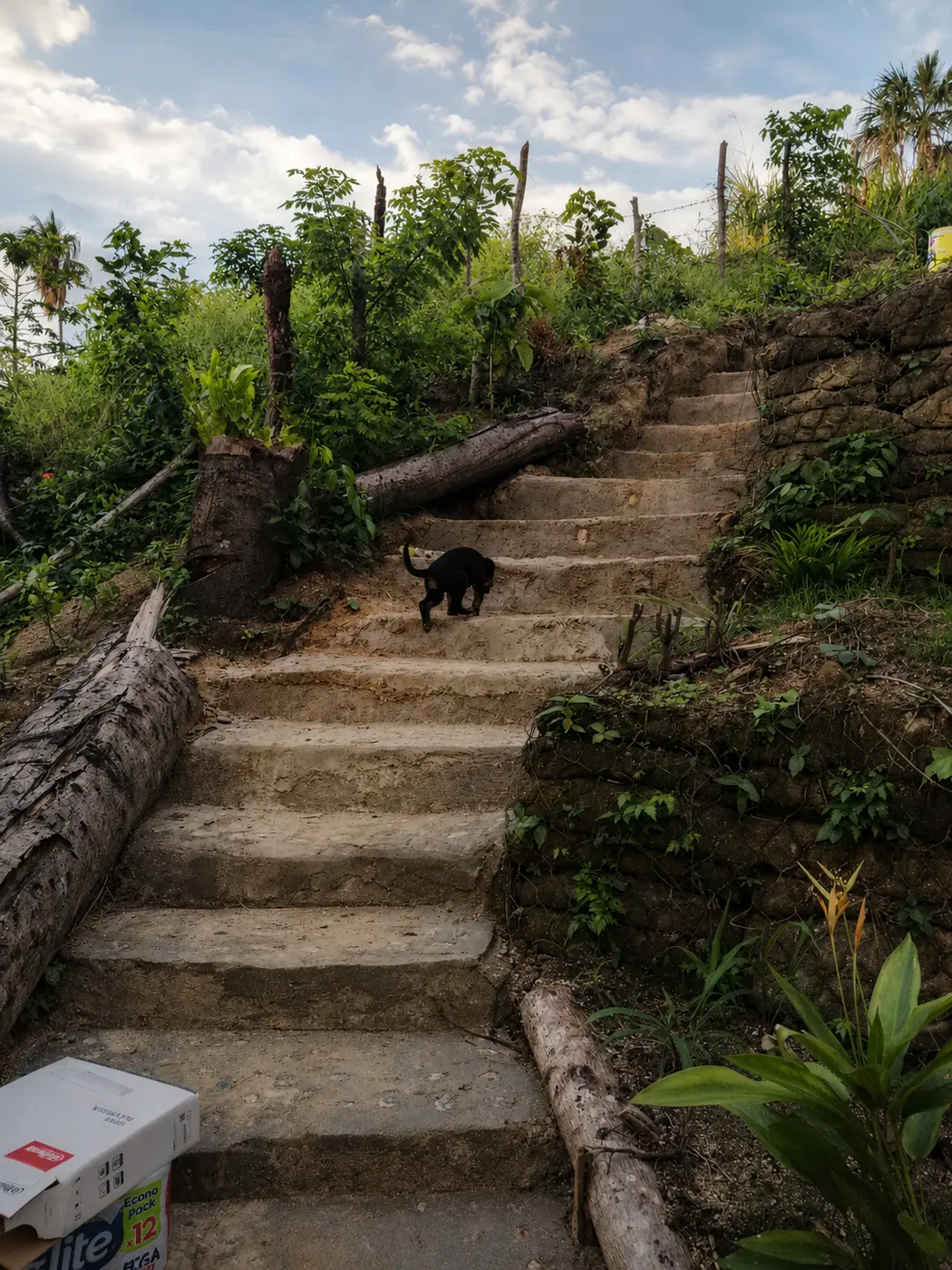
The paths through the property also appeared gradually. Some followed the easiest lines across the hillside; others connected the cabins, the main house and the places where we worked. Later, I built more permanent stairs and walkways so that moving between the structures became easier.
The hospitality project that grew from this work was intentionally small. The aim was never mass tourism. Guests came for nature, privacy and the experience of staying in the forest. The property received guests through Airbnb and earned a real 4.91 Airbnb rating. That history is part of the place, but I do not present the property as a fully active or guaranteed-income operation today.
The forest was also something we planted
What followed was years of quiet, repetitive work. Our intention was to become as self-sufficient as possible and to restore vegetation where the land needed it. We planted fruit trees, cacao, coconut palms and timber trees. Many survived. Some died, especially during the first attempts. We learned by planting again.

What we planted over the years
Lemon, papaya, mandarin, orange, coastal sapote, breadfruit, many soursop trees, avocado, mamey, mango, loquat, mamoncillo, tamarind and rambutan; approximately 200 coconut palms, eight water-coconut palms, around 250 cacao plants and more than 3,000 timber trees.
We also planted every pineapple crown from every pineapple consumed on the property from the first day. Many produced fruit about two years later, which we ate with enormous pride. We experimented with tomatoes, peppers, carrots, hot chillies and other vegetables. The only crop we are still waiting to harvest is avocado. We planted more last year, as we have planted again almost every year, knowing that avocado trees can take about five years to produce.
Not every trial worked. The failures are part of the real history of the land. Some species adapted immediately; others required different seasons, different soil treatment or another attempt. The landscape that exists today is the result of both what was already there and what we continued to plant.
The pandemic, the separation and beginning again
Then the pandemic came. The property was left almost alone for close to a year. A place built through daily presence suddenly had very little of it. That pause was followed by another change: the end of my relationship and an emotional separation that forced me to decide what I wanted to do next.
I began again on my own. I finished the cabins, bought beds and mattresses, brought in furniture and continued building the stairs and small paths that connect the hillside. I had to decide, step by step, what Casa del Bosque would become and what I could realistically complete.
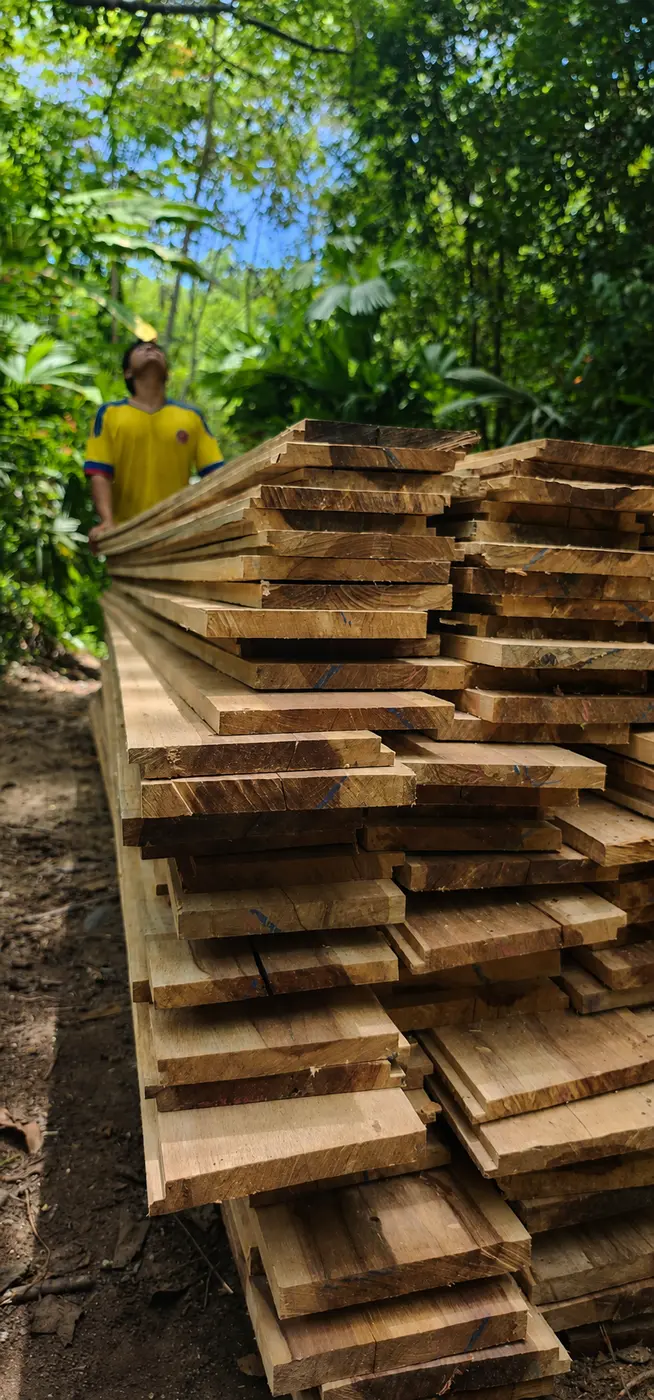
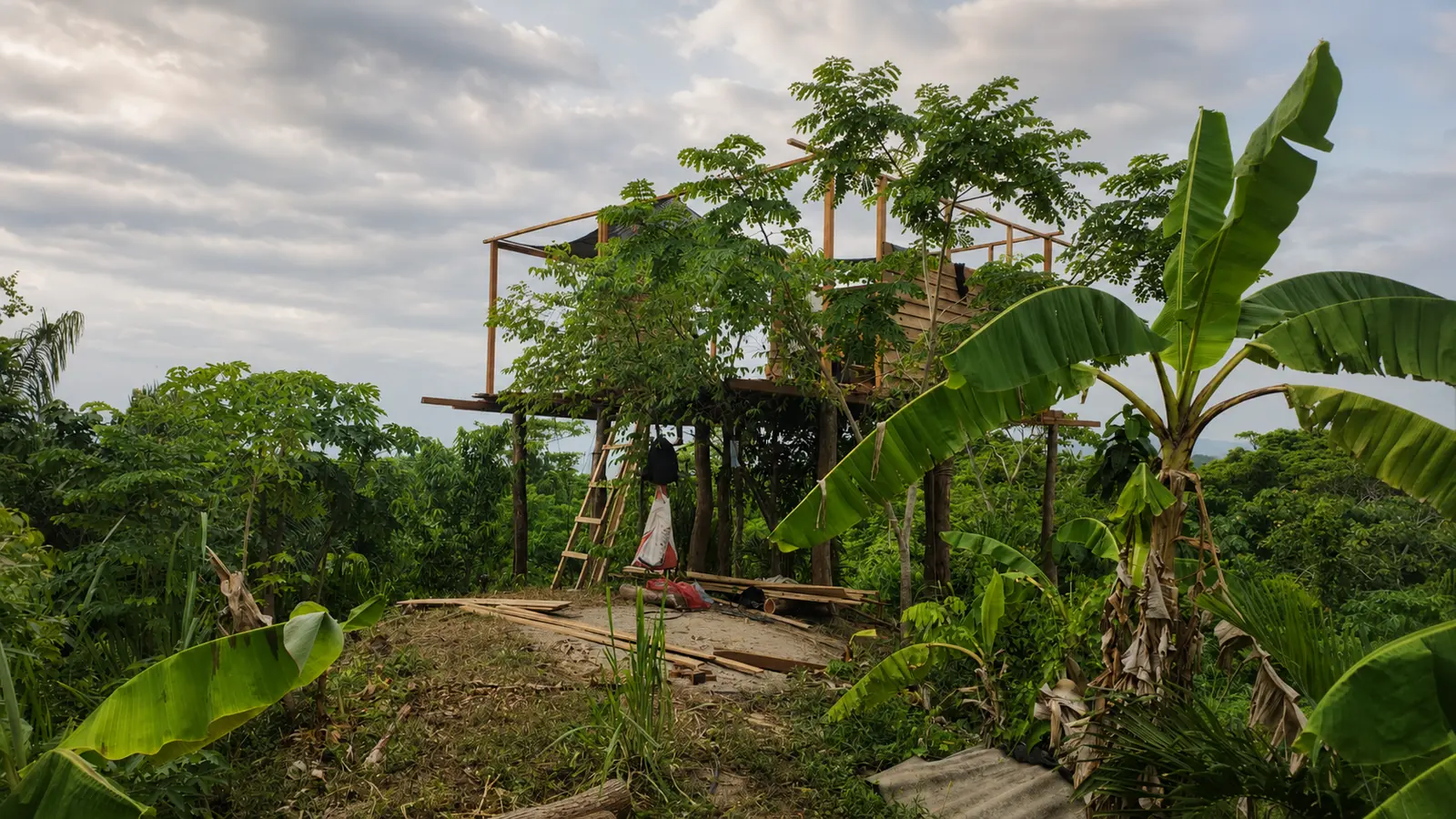
El Campano belongs to that new beginning. Its construction represents the period when I stopped waiting for the project to return to its previous shape and began making decisions for it myself. The cabin rose slowly among banana plants, trees and the materials of an active construction site.
Over the years, guests from different countries came looking for nature and quiet. Some read my story before arriving; others understood it only after walking the land. Their responses taught me that people were not interested only in the cabins. They were interested in why the place existed, how the hillside had been used and what could still be done with it.
Why it is being offered now
The decision to sell Casa del Bosque is not about pretending that the project is something it is not. It has an operating history, existing infrastructure and a real Airbnb rating, but it also needs presence, investment and a new stage. I want a prospective buyer to understand both what already exists and what remains possible.
My mother is now 92 years old. I made her a promise that I want to keep: to be close to her and to accompany her. That is the personal reason behind this decision. Selling the property would allow me to close one chapter responsibly while making room for the life that now requires my attention.
I am not in a rush to present the property as something polished for every buyer. The right person may be interested in hospitality, wellness, conservation, a private home or a combination of these uses. They may care less about the existing wooden cabins than about the topography, the access, the forest, the views and the possibilities of the land.
What the next owner receives
Beyond the physical property, the next owner receives a place with a documented history. It includes approximately four hectares of private land, existing cabins and a main house, paths across the hillside, planted trees, Caribbean and Sierra Nevada views, and room to decide what the next stage should be.
- Approximately four hectares of private forested land near Tayrona National Park.
- Caribbean Sea and Sierra Nevada views from different points on the property.
- Existing wooden cabins, a main house and small paths and stairs between structures.
- A real 4.91 Airbnb rating from the property's hospitality history.
- Fruit trees, cacao, coconut palms and thousands of timber trees planted over the years.
- Space for a future owner to evaluate expansion according to the land, applicable rules and their own plans.
- Direct conversation with the owner and access to further property documentation for qualified buyers.
- Asking price: COP $1,800,000,000, subject to private and direct negotiation.
A message to the right buyer
If you have read this far, you probably understand why the story matters. Casa del Bosque is not being presented as a generic lodge or an empty parcel. It is land with a history of work, hospitality, planting, mistakes, learning and rebuilding.
The next chapter will belong to someone else. I want that person to have accurate information and enough time to understand the property before deciding what it could become.
If that sounds like the kind of conversation you want to have, you can contact me directly.